


 Credit: AdobeStock/Wollwerth Imagery
 Lead researcher: Dr Ore Koren
Partner: Indiana University (IU) Bloomington
Duration: March 2023 – March 2024
Countries: South Sudan, Ethiopia
International and regional climate adaptation and mitigation policies and interventions are poised to increase dramatically in the coming decades, yet there is limited understanding of the impact of these activities in local settings within regional conflict zones. A key question for researchers and policymakers is: How should climate response (adaptation and mitigation) strategies be customised for local conditions in conflict settings?
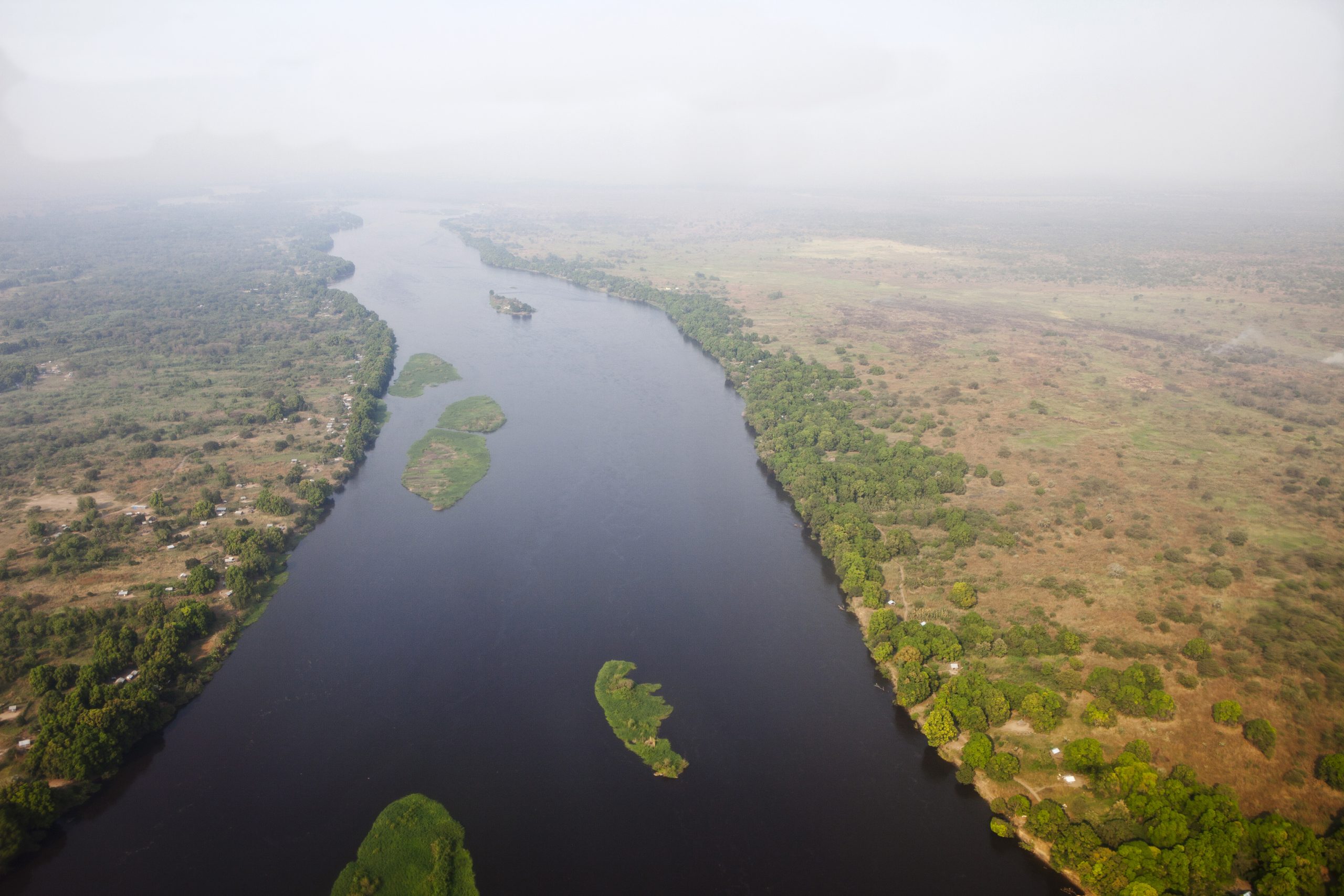
This project answers this question, allowing for more effective policymaking by directly addressing these research deficiencies, shedding new light on climate change’s second order effects to conflict within a highly susceptible world region. To this end, the focus was on South Sudan and areas bordering it within Sudan and Ethiopia. The local (rather than country) level analysis provided a more nuanced assessment of climate mitigation-conflict relationships and specific, targeted policy interventions. This research combined original observational event datasets and remote sensing information, triangulated using internal United Nations Mission in South Sudan (UNMISS) reports.
Explore more about the project:
For more information regarding this research, contact [email protected]