


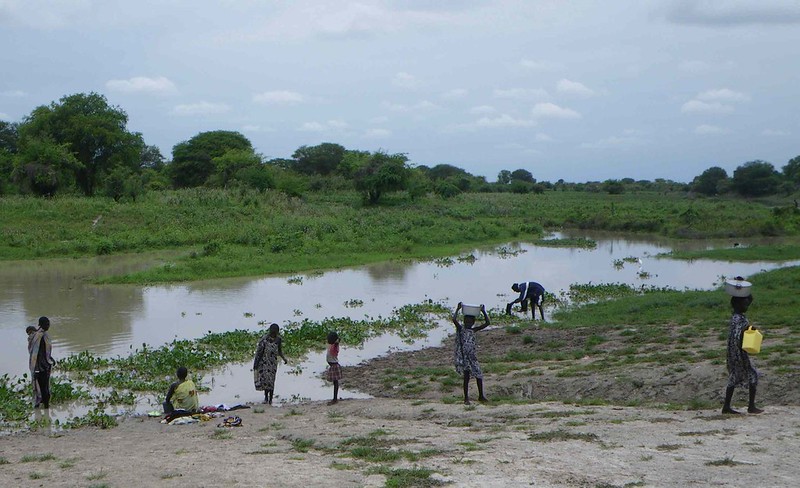
Credit: Flickr/Judy McCallum
Lead researcher: Diana Felix Da Costa
Duration: November 2025 – October 2026
Countries: South Sudan
Across African borderlands, women’s political roles are frequently rendered invisible through patriarchal norms, socio economic marginalisation and the dismissal of expressive forms such as song and storytelling as legitimate modes of political knowledge. This project examines how such invisibility is challenged in the conflict affected borderlands of Greater Pibor in eastern South Sudan through the case of the Kabarze, a grassroots movement of older Murle women who mobilised in 2017 to halt escalating youth violence. The research explores what it means for policy to recognise culturally grounded ways of asserting moral authority and filling governance gaps as forms of political knowledge, arguing that policies which engage directly with women’s lived and embodied strategies are more likely to support equitable peacebuilding and avoid undermining the agency that sustains communities during violence.
For more information regarding this research, contact [email protected]