


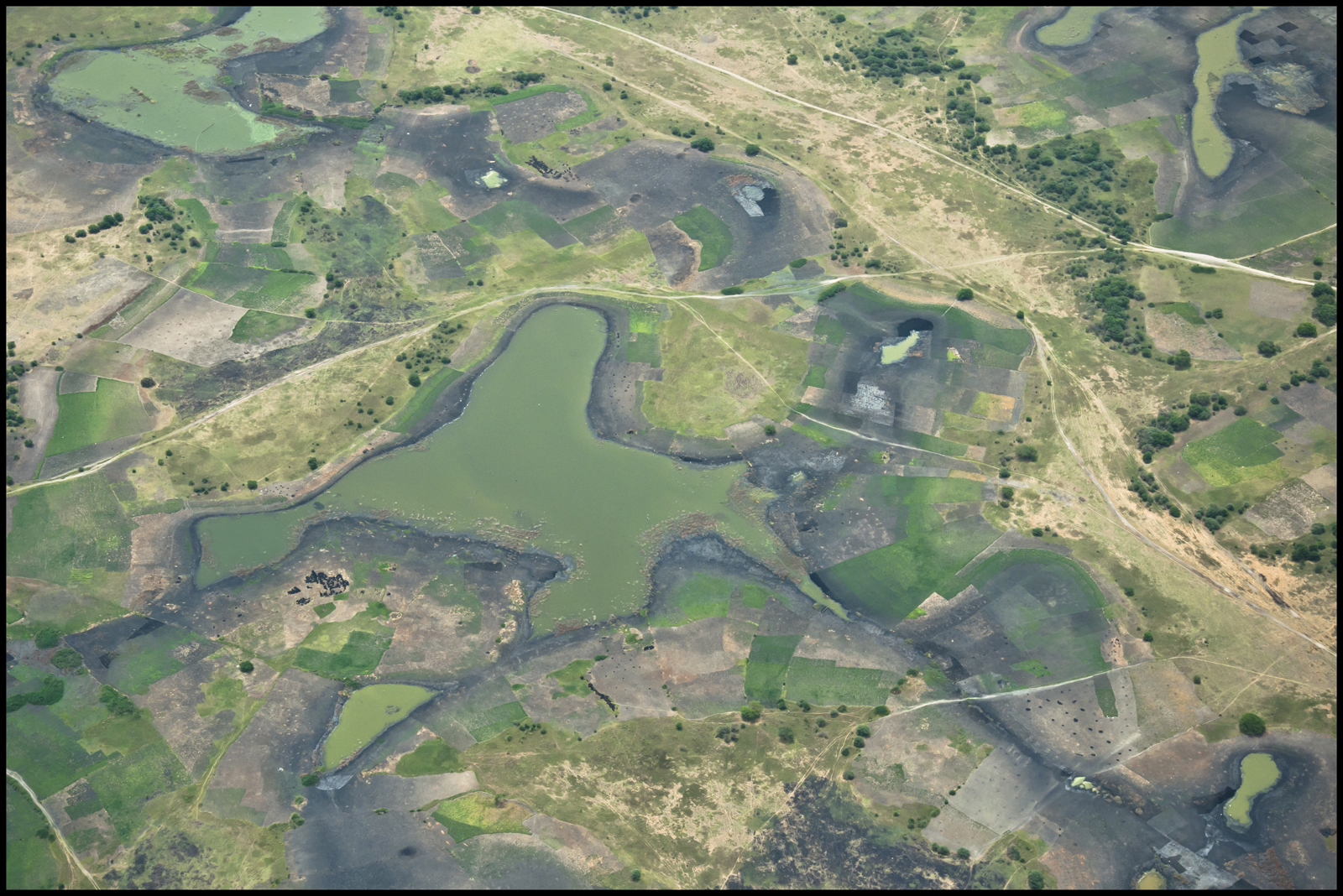
 Credit: Barth1003/Flickr/CC 2.0 NC
 Lead researcher: Cedric De Coning
Partner: Norwegian Institute of International Affairs (NUPI)
Duration: September 2025 – December 2026
Countries: Cameroon, Chad, Nigeria, Niger
The project looked specifically at the 2018 Regional Strategy for the Stabilization, Recovery and Resilience (RS-SRR) of the Boko Haram-affected Areas of the Lake Chad Basin Region. The RS-SRR is interesting because it is not a traditional top-down counter-insurgency campaign but a broader framework guiding regional stabilisation, recovery, and resilience through shared principles and partnerships.
The CPS-Lake Chad research project investigates the implementation of the RS-SRR to enhance our understanding of whether and how local, national, regional, and international initiatives undertaken in support of the strategy have contributed to preventing and managing climate-related peace and security risks between 2018 and 2024. The goal is to extract insights into the factors that influence the effectiveness of efforts to prevent and manage climate-related risks to peace and security to guide future efforts in the Lake Chad Basin region and similar contexts.
For more information regarding this research, contact [email protected]