


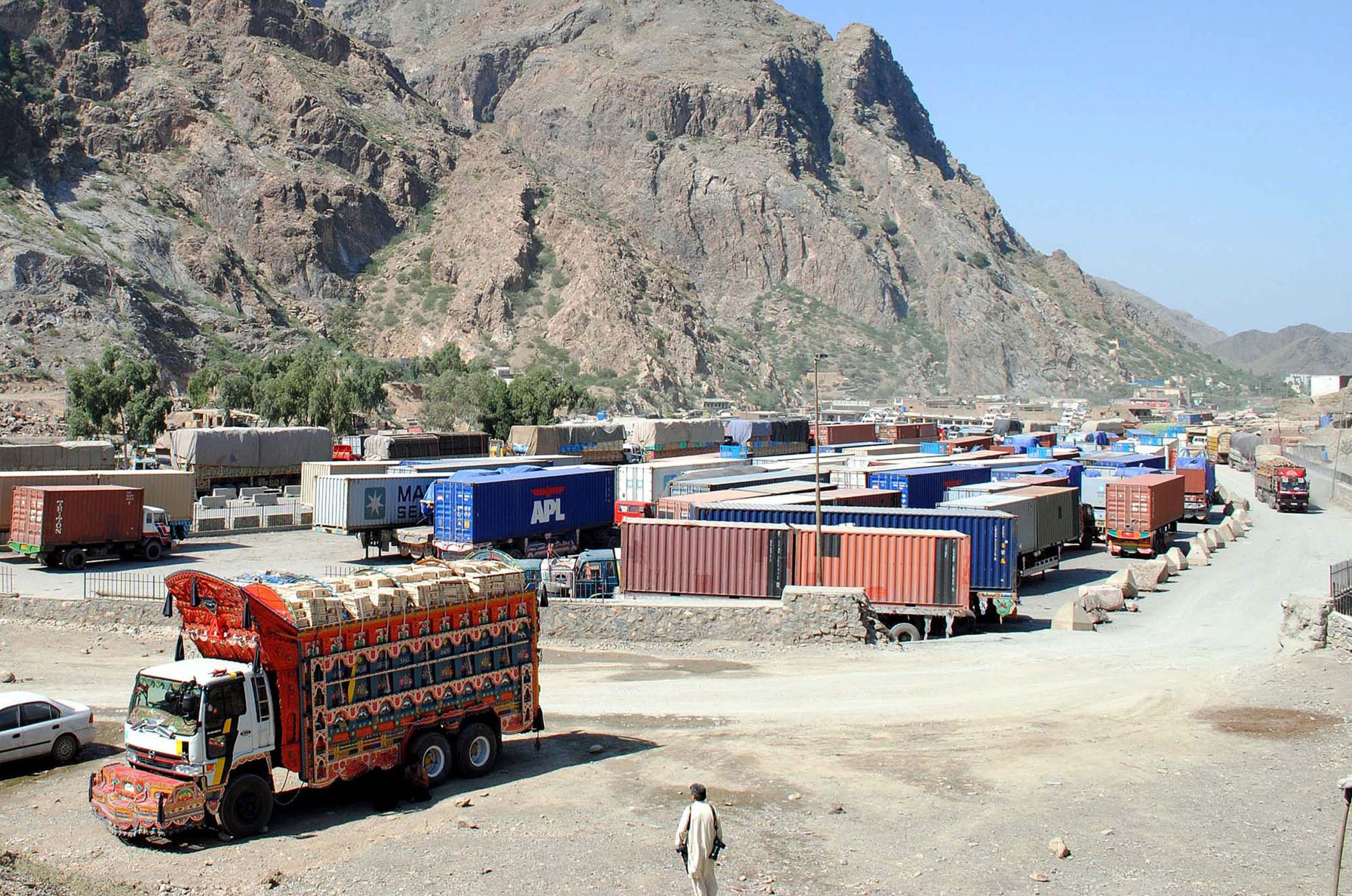
 Photo: Asianet-Pakistan / Shutterstock.com
 Lead researcher: Tobias Hagmann
Duration: October 2025 – October 2026
Countries: South Sudan, Pakistan, Afghanistan, Iraq
The project is a collaborative study that forms part of the XCEPT research programme’s qualitative-comparative stream. CBET investigates how elites in contested borderlands accumulate and convert different forms of capital, navigate centre–periphery relations, and shape political settlements over time.
Focusing on borderlands where state authority is fragmented or contested, the project examines how political, military and economic elites establish and maintain power through relationships with state institutions, armed actors, businesses and local communities.
The research brings together case studies from Pakistan’s western borderlands, Iraq’s disputed territories, and the borderlands of Sudan and South Sudan. Across these settings, it examines how elite power is shaped by resource extraction, patronage, coercion, competing systems of authority, and the selective provision of services and social benefits.
Across the three studies, the research highlights three broad insights:
- Contested borderlands are not necessarily spaces without political order – authority may instead be exercised through overlapping state institutions, armed actors, customary structures, business networks and patronage systems.
- Resource control is central to elite power – minerals, trade routes, taxation, land and other economic assets provide opportunities for elites to consolidate authority and shape who benefits from borderland economies.
- Apparent stability can conceal coercion and inequality – political order may be sustained through extractive economic relationships, restricted participation and the threat of violence, alongside limited forms of service provision or social support.
Together, the findings show why international engagement in contested borderlands requires a detailed understanding of the actors, relationships and economic systems that underpin local political order.
Scholars engaged under this workstream:
- Katja Mielke
- Faryal Khan
- Matthew Whiting
- Zeynep Kaya
- Joseph Diing Majok
- Nicki Kindersley
- Michel Thill
For more information regarding this research, contact [email protected]
Research outputs
Why Iraq’s disputed territories pose a challenge for international engagement
Zeynep Kaya and Matthew Whiting
Based on research in Iraq's disputed territories, this paper shows how overlapping authorities, frontier dynamics and patronage networks complicate governance and international engagement. It highlights the risks of development and stabilisation efforts that do not fully account for local power structures.
The violent stability of the war economy on the Darfur–South Sudan border
Nicki Kindersley and Joseph Diing Majok
This briefing paper explores how political order has been maintained along the Sudan–South Sudan border despite conflict and economic crisis. It finds that stability is sustained through systems of extraction, patronage and coercion that reinforce elite control while deepening underlying vulnerabilities.
Faryal Khan and Katja Mielke
This briefing paper examines how a rapidly expanding mining sector is reshaping authority, resource control and local politics in Pakistan's western borderlands. It argues that without stronger safeguards around consent, governance and benefit-sharing, extraction risks reinforcing exclusion, instability and elite capture.
Webinar | Political elites in contested borderlands: Insights from Pakistan, Iraq and South Sudan
Date: 30 September 2026
Time: 14:00 – 15:15 BST | 16:00–17:15 EAT
Location: online via Microsoft Teams
This webinar explores how political and economic elites shape authority, resource extraction, governance, and everyday life in contested borderlands. Bringing together researchers from across the three case studies, the discussion will also consider what these findings mean for policymakers, donors, investors, and international organisations working in fragile and conflict-affected settings.