


Date: 21 January 2026
Time: 11:00 GMT | 15:30 AFT
Location: Online via Microsoft Teams
Plummeting aquifer levels pose an existential threat to Kabul. But Afghanistan’s water crisis extends far beyond the capital, into rural regions critical to the country’s food supply. This webinar unpacked findings from a detailed assessment of climate change impacts and groundwater exploitation in the Helmand River Basin, a region central to Afghanistan’s agricultural economy, and at the heart of disputes over transboundary water rights between Kabul and Tehran.
Drawing on detailed imagery analysis, the discussion explored the downstream effects of infrastructural projects to redirect water flows on both sides of the border, the consequences of greatly increased groundwater extraction, and the collapse of rural water governance structures. Rapid declines in water tables now threaten the livelihoods of over 3.5 million people, raising urgent questions for Afghanistan’s authorities and international stakeholders.
Key issues included:
- How can rural livelihood development and governance adapt amid widespread solar-powered well use?
- What are the implications for migration and transboundary water management?
- With donor reluctance to fund large-scale infrastructure, what levers exist for sustainable adaptation?
This event was co-hosted by XCEPT and the European Delegation to Afghanistan.
Speakers:
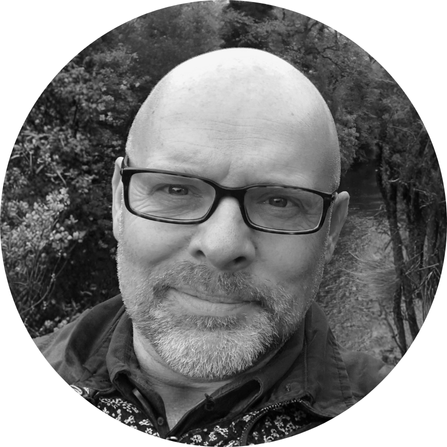
Dr David Mansfield
David Mansfield has been conducting research on rural livelihoods and cross border economies in Afghanistan since 1997. He has produced more than eighty research-based products, many for the Afghanistan Research and Evaluation Unit, and working in close partnership with Alcis Ltd. David has a PhD in development studies and is the author of “A State Built on Sand: How opium undermined Afghanistan.”
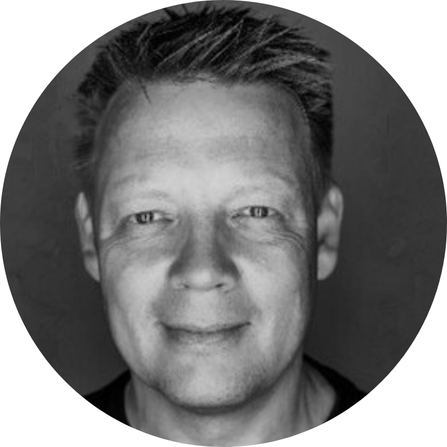
Rene Taus Hansen
Rene joined the EU Delegation in February 2023 after serving as political adviser to the EU Special Envoy to Afghanistan at the EEAS, where he focused on relations with Central Asia. Previously, he was Denmark’s Deputy Ambassador in Kabul (2019–2020) and held various roles at the Danish Ministry of Foreign Affairs since 2011, including Deputy Head of Unit for knowledge management and compliance. His diplomatic career spans postings in Zimbabwe, Zambia, Nepal, and Afghanistan, alongside experience as country director for a US organisation and work with an EU delegation in Zimbabwe. Rene holds an MSc in International Economics (University of Copenhagen) and an MA in Development Economics (University of Manchester) and has completed executive courses at Harvard University.
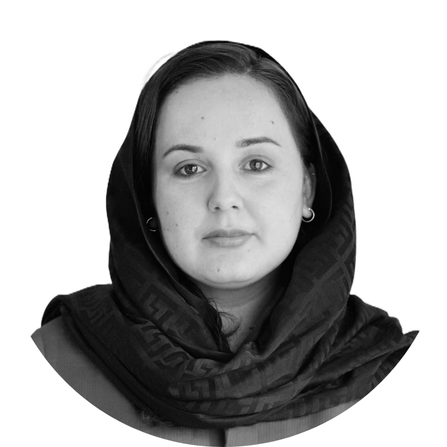
Sarah Kazimi
Sarah Kazimi is Deputy Consortium Manager for Afghanaid’s FCDO-funded PREVALE programme. She is an experienced professional in project management, climate change adaptation, and Ecosystems-Based Disaster Risk Reduction (Eco-DRR). She has successfully contributed to initiatives that enhance community resilience, strengthen livelihoods, and promote sustainable development. With a master’s degree in business administration, Sarah combines technical expertise with strategic insight to drive impactful, community-focussed solutions. Her background includes working across governance, gender empowerment, and climate resilience sectors, where she has supported multi-stakeholder projects and capacity-building programmes. Sarah is committed to advancing equitable, sustainable outcomes that empower communities and create measurable, long-term positive change.
Moderator:
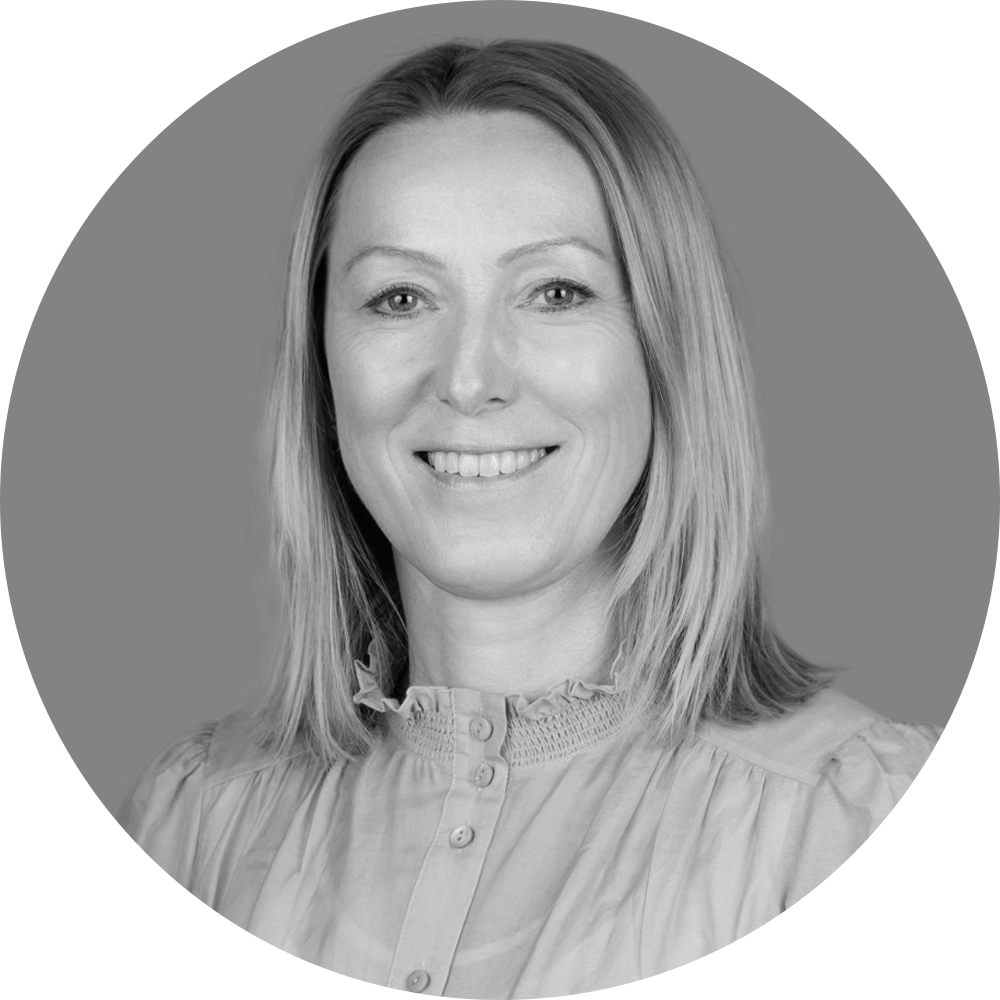
Dr Mette Bastholm Jensen
Mette has over fifteen years of experience in fragile and conflict-affected environments, combining research expertise with senior advisory roles. She previously served as Senior Conflict and Stabilisation Advisor in the UK Stabilisation Unit, leading cross-government engagement on Syria, and as Chief Technical Advisor in Denmark’s Ministry of Foreign Affairs, supporting policy across MENA and AfPak. Mette spent several years in Afghanistan, including leading Denmark’s largest country programme in Kabul and advising on district stabilisation in Helmand. A sociologist by training, she holds a PhD and MA from Yale University and a BA from the University of Copenhagen.