


Date: 22 September 2026
Time: 14:00 – 15:00 BST
Location: online via Microsoft Teams
Across conflict-affected borderlands, women exercise power in contexts where formal authority is often dominated by systems that reinforce patriarchal gender norms. Drawing on feminist perspectives, this webinar centres women’s agency and practices, to challenge conventional understandings of political participation and offers insights into how women are reshaping governance and building peace in some of the world’s most complex conflict-affected borderlands.
Bringing together researchers from XCEPT’s Feminist Frontiers research workstream, the session drew on research from the Rohingya borderlands between Bangladesh and Myanmar, the Indo-Myanmar frontier, and Greater Pibor in South Sudan. Speakers explored how women mobilise informal networks, embodied knowledge, moral authority and gendered identities to shape governance, influence social and political outcomes, and contribute to peacebuilding.
Tracing how agency emerges through the strategic navigation of gendered constraints, the discussion unpacked what feminist perspectives reveal about power, legitimacy and authority in borderland settings, and how policymakers can better recognise and support the forms of authority and peacebuilding that women use to navigate conflict, displacement and insecurity in the everyday.
Speakers:
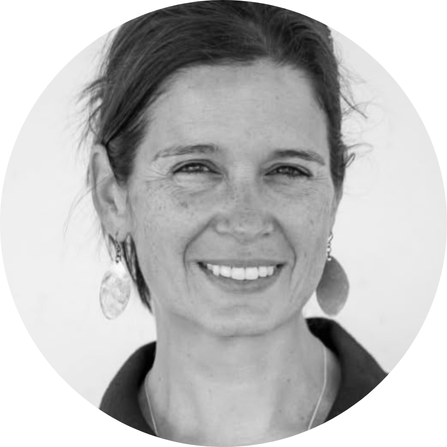
Diana Felix Da Costa
An anthropologist and researcher whose work focuses on conflict, governance and political authority in South Sudan. Her research draws on long-term ethnographic engagement with Murle communities in the Greater Pibor Administrative Area, where she has conducted research since 2011. Her work explores how authority and political knowledge are produced and communicated through embodied and performative practices, including song and dance, and what these reveal about social change, belonging, generational and gender relations, and ways of navigating uncertainty and conflict. Her work bridges academic research and applied policy and practice, including previous roles with UNMISS, the Danish Refugee Council and the Norwegian Institute of International Affairs (NUPI). She is an Associate Researcher at SOAS University of London and is currently completing a book on youth, embodied politics and generational authority among the Murle, forthcoming with James Currey.
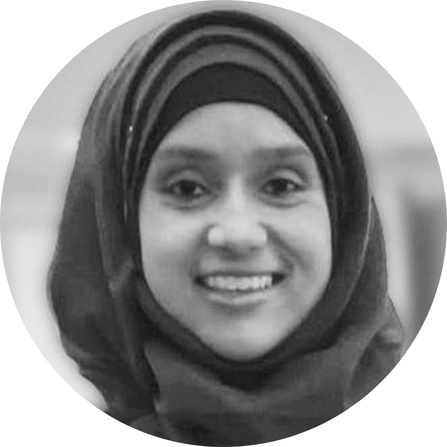
Farhana Afrin Rahman
An interdisciplinary scholar working at the intersections of international politics, gender, and development. Her research examines authority, knowledge production, and women’s political agency in contexts of displacement and marginalisation across the Global South. She is an incoming Assistant Professor in Politics and International Studies at the University of Warwick, and previously held a Leverhulme Early Career Fellowship at the University of Cambridge where she completed her PhD. Her first book, After the Exodus: Gender and Belonging in Bangladesh’s Rohingya Refugee Camps (Cambridge University Press, 2024), won major book prizes from the British International Studies Association and the Society for the Study of Social Problems. With over 15 years of experience spanning academia, international development, and policy, Farhana has conducted research across Asia, Africa, and the Middle East, and consulted for various organisations including UNDP and UN Women. In 2021, she received the Paula Kantor Award from ICRW for her contributions to gender research.
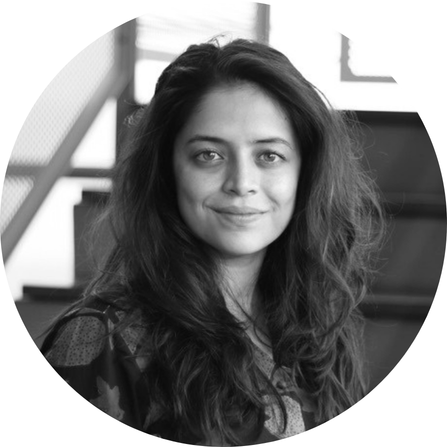
Shalaka Thakur
A postdoctoral researcher at the Danish Institute for International Studies (DIIS). Her research focuses on questions of political order, power, and authority in conflict zones. She has been conducting extensive field research at the Indo-Myanmar borderlands over the last decade, looking at the relationships between the state, non-state armed groups, businesses and civil society as windows into understanding armed group governance, public authority and political economy in conflict zones.
Discussant:
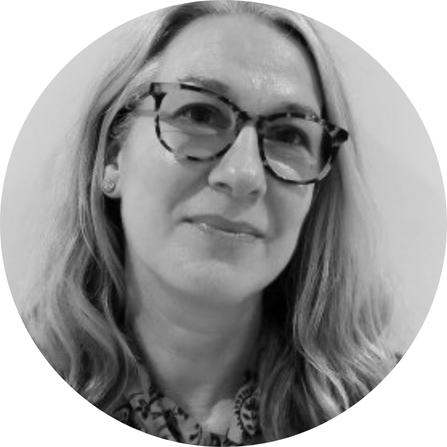
Cate Buchanan
A mediation and process design, and inclusive conflict analysis specialist. She was Senior Adviser to the Nyein (Shalom) Foundation Myanmar supporting national dialogues and negotiation approaches from 2015-2017. In 2018/19 she was a member of the UN Mediation Support Unit’s Standby Team of Experts. In 2020/21 she was a Senior Adviser to the Office of the Special Envoy of the UN Secretary-General for Yemen. From 2021 to the present she is the Conflict Adviser to the Myanmar Livelihoods and Food Security Fund. From 2001-2013, she was a Programme Manager and Senior Adviser with the Centre for Humanitarian Dialogue. Cate also currently manages a peace coaching process and provides advisory support to the Nyein Foundation, UN Women Afghanistan, the Australian Embassy in Myanmar and others.
Moderator:
Leah de Haan
A Senior Research Manager at XCEPT and a PhD Candidate at the University of Amsterdam. Her doctoral research explores how colonial and racialised cis-heteropatriarchal practices and logics structure queer people’s experiences of intimate partner- and domestic violence. She has authored several journal articles, book chapters, policy briefs and opinion pieces which have appeared in Sustainable Development, International Affairs and Development Policy Review, amongst others.