

Tuesday 24 June 2025
London
This opening panel examined how shifting global power dynamics, escalating conflict, and growing climate insecurity were reverberating across the Middle East, Africa, and Asia. Despite widespread recognition of the need for integrated security, development, and peacebuilding responses, speakers noted that increased emphasis on defence and reduced foreign aid risked exacerbating instability. The discussion helped frame the conference by highlighting implications for regional and local actors and exploring how research, policy, and practitioner communities might respond to these evolving challenges.
Listen to the full panel session
Speaker insight: Biruk Terrefe
Panellists:
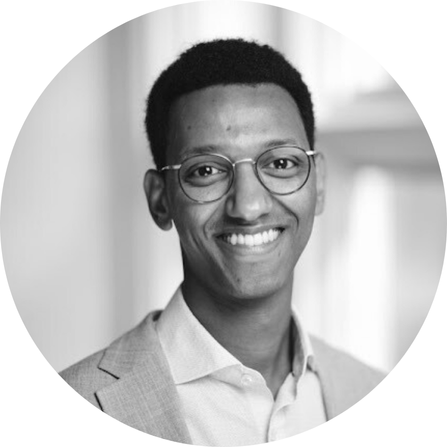
Biruk Terrefe – University of Bayreuth
Biruk Terrefe is a Lecturer in the Politics and Sociology of Africa at the University of Bayreuth and a Research Associate at Oxford University’s African Studies Centre .His research lies at the intersection of political science, development studies, and geography, and currently spans two main areas of interest. The first area investigates the relationship between infrastructure and state-building, particularly how large energy, transport, and logistics systems have shaped (and are shaped by) political orders and overlapping sovereignties, especially in the Horn of Africa. His second area of research focuses on urbanisation and the political and social struggles that arise in cities, their peripheries, and hinterlands.
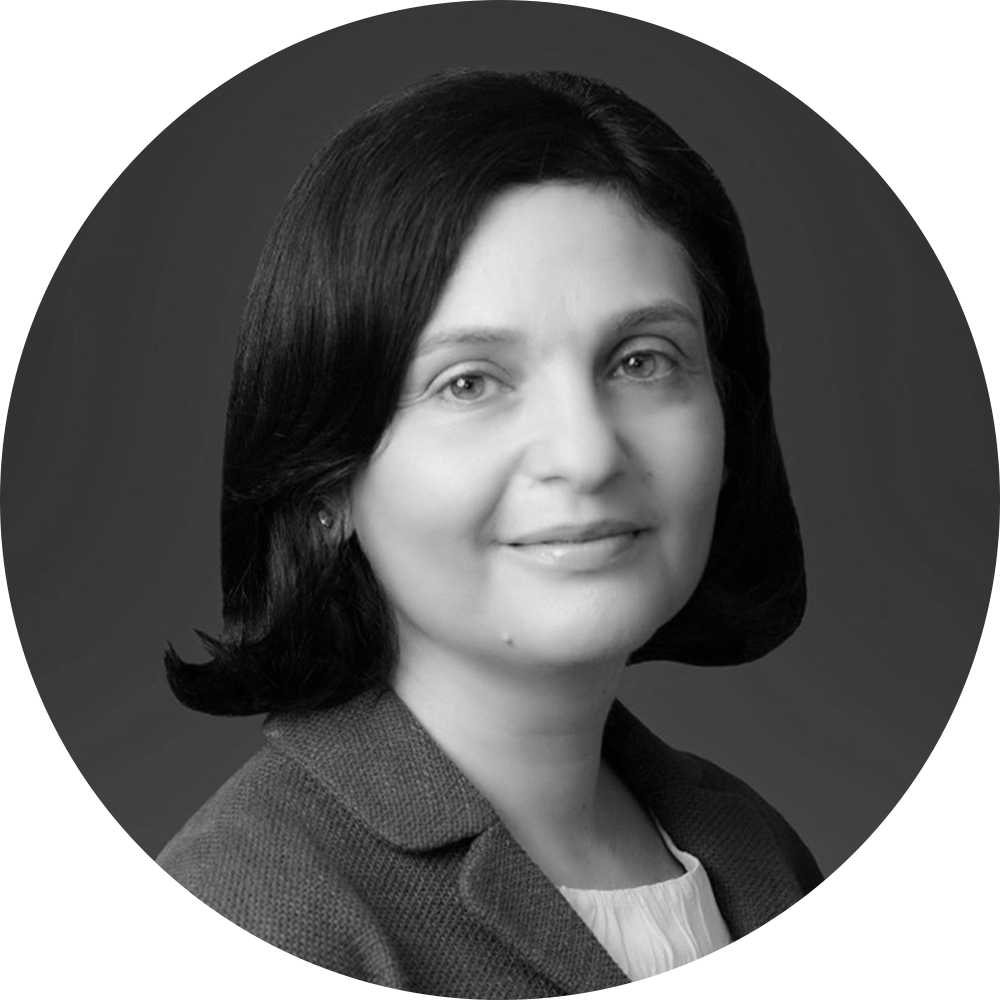
Maha Yahya – Malcolm H. Kerr Carnegie Middle East Center
Maha Yahya is the director of the Carnegie Middle East Center in Beirut, where her work focuses on political violence and identity politics; pluralism, development and social justice after the Arab uprisings; the challenges of citizenship; and the political and socio-economic implications of the migration/refugee crisis. Maha is a research director for the Carnegie Middle East Center component for XCEPT.

Mushtaq Khan – School of Oriental & African Studies (SOAS)
Prof. Mushtaq Khan is head of the FCDO (UK government)-funded Anti-Corruption Evidence Research Consortium (SOAS-ACE) and joint head of the FCDO funded SOAS-Yale partnership, Research and Evidence on Nepal’s Transition (RENT), working with the British Embassy in Kathmandu.He is a leading thinker on political settlements (an analytical framework he developed for assessing why institutions perform differently across countries), effective policy implementation, governance, industrial policy, institutional economics, political economy, and anti-corruption.
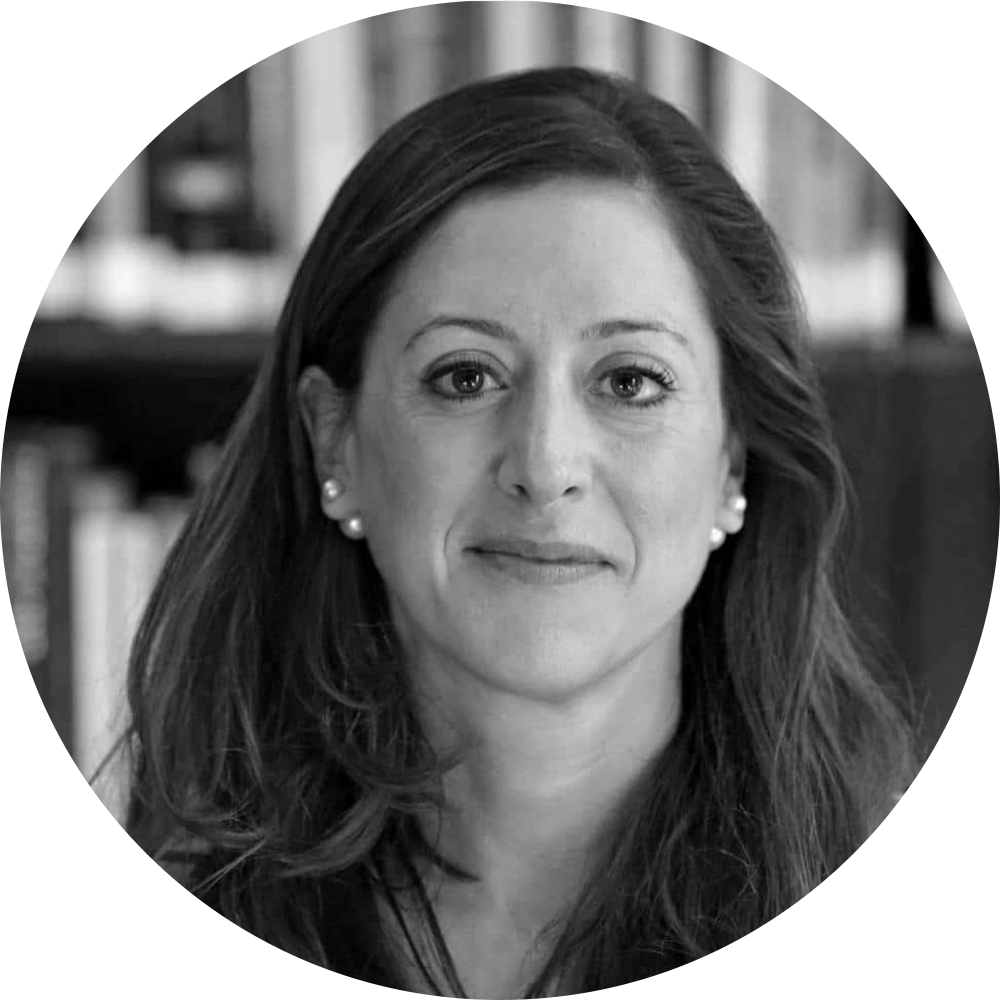
Sanam Vakil – Chatham House
Dr Sanam Vakil is the director of the Middle East and North Africa Programme at Chatham House. Her expertise spans Iranian and Gulf politics, regional security dynamics, and US foreign policy, with a particular focus on the evolving strategic landscape of the Middle East and its global connectivity. In addition to her policy work, Sanam holds the James Anderson Professorial Lectureship in Middle East Studies at the Johns Hopkins School of Advanced International Studies (SAIS Europe) in Bologna, Italy, where she has taught Middle East politics since 2008.
Moderator:
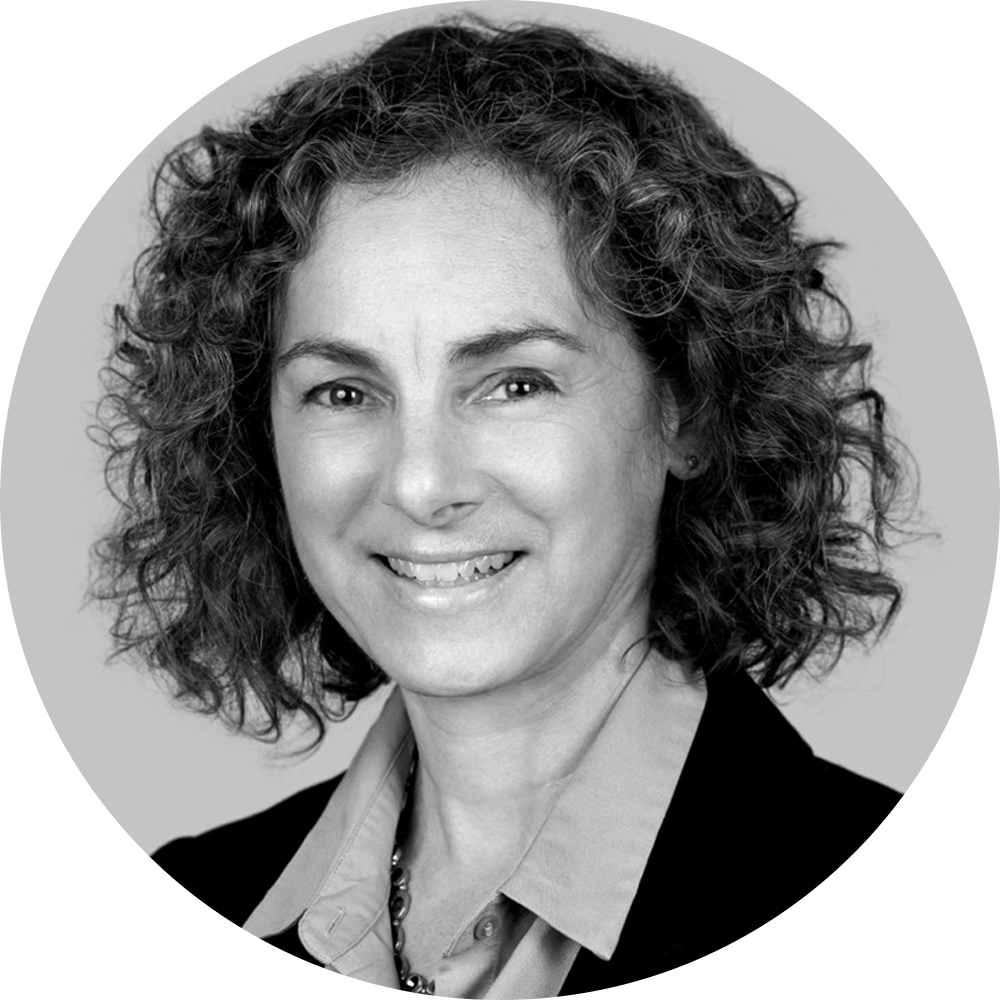
Ruth Citrin – XCEPT
Dr Ruth Citrin directs research and evidence with the UK Division of Chemonics International. Ruth brings a rare, proven ability to translate research and analysis into actionable policy and previously served as director for Syria at the White House National Security Council, policy planner on then Secretary John Kerry’s staff, and senior Levant analyst with the US Department of State. She is the former director of the European Council on Foreign Relations (ECFR) Middle East and North Africa programme.